Trees add beauty, shade, and value to any property, but when a tree becomes damaged, diseased, or structurally unstable, it can quickly turn from an asset into a hazard. Professional tree removal is one of the most important steps in protecting your home, your landscape, and the people who live or work on your property. This guide explores why safe tree removal matters, how to identify risk, and why working with experienced professionals such as Lange Bros Tree Services ensures the job is done safely and responsibly. Visit our website for more information.
Understanding When Tree Removal Is Necessary
 Not every problematic tree shows obvious signs of danger. Some hazards develop slowly, while others appear suddenly after storms, soil changes, or pest activity. Knowing when a tree should be removed helps prevent property damage and ensures the long-term health of your landscape.
Structural Instability and Safety Risks
A tree with a weakened structure can pose a serious threat to buildings, vehicles, and people. Cracks in the trunk, large dead branches, or a noticeable lean often indicate internal decay or root instability. Even a seemingly healthy tree can fail unexpectedly if its root system has been compromised by soil erosion or construction. Removing unstable trees before they fall prevents costly damage and eliminates safety hazards around your property.
Diseased or Dying Trees
Tree diseases can spread quickly, affecting not only the infected tree but also surrounding vegetation. Fungal infections, invasive insects, and nutrient deficiencies can cause a tree to decline over time. Once a tree becomes severely diseased, removal is often the only way to stop the spread and protect nearby trees. Early detection is key, but when a tree can no longer recover, safe removal prevents further landscape damage.
Storm Damage and Weather Stress
High winds, heavy snow, and ice can cause branches to break or trunks to split. Even if a tree survives a storm, hidden damage may weaken it permanently. Trees with storm-related injuries often become unpredictable, making them more likely to fail during future weather events. Removing storm-damaged trees ensures your property remains safe during the next round of severe weather.
The Benefits of Professional Tree Removal
Tree removal may seem straightforward, but it requires specialized equipment, training, and safety procedures. Attempting to remove a tree without proper expertise can lead to injuries, property damage, and long-term landscape issues. Professional tree removal offers numerous benefits that protect your property and ensure the job is completed safely.
Safety and Risk Prevention
Tree removal is one of the most dangerous outdoor tasks. Falling branches, unstable trunks, and unpredictable tree movement can create serious hazards. Professional tree care teams use industry-approved techniques, ropes, rigging systems, and protective equipment to ensure safe removal. Their experience allows them to assess risk accurately and remove trees without causing damage to nearby structures or landscaping.
Efficient Removal With Specialized Equipment
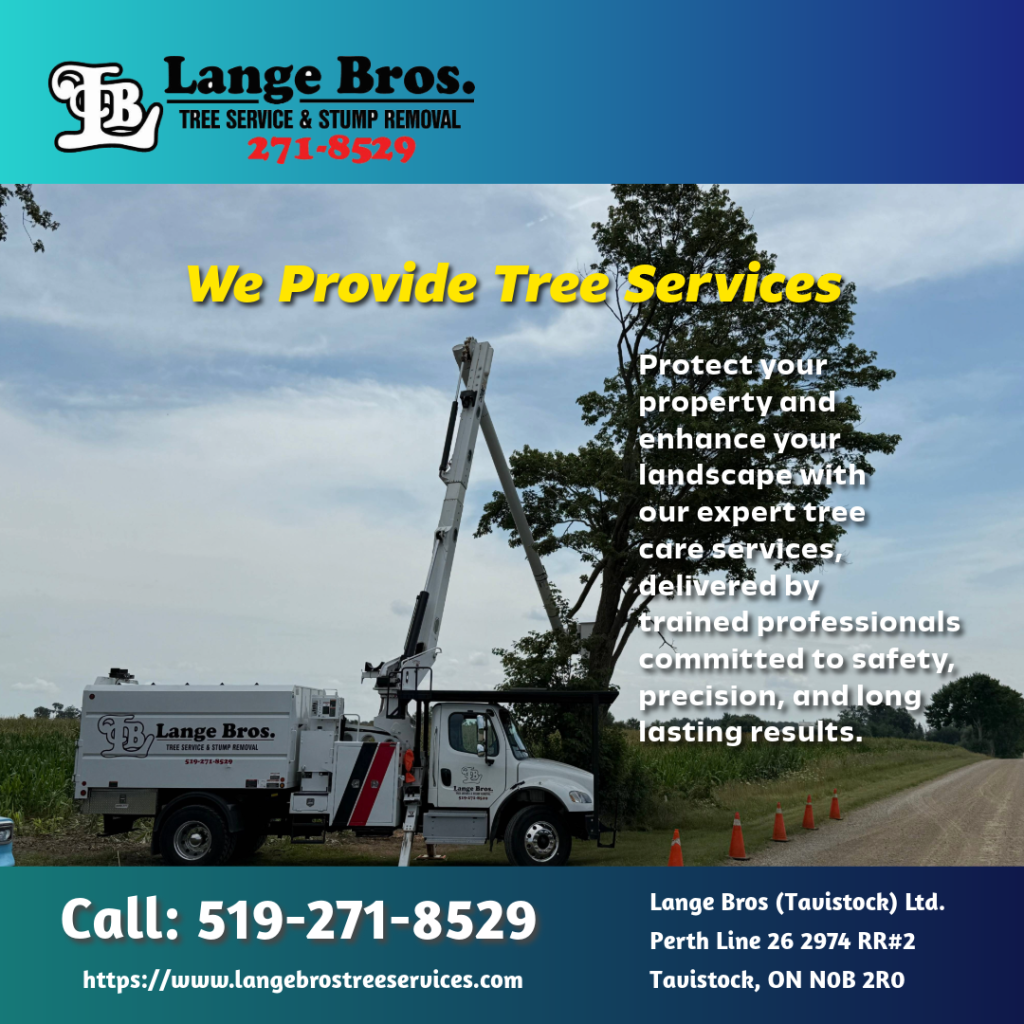
Large or mature trees require more than basic tools. Professional crews use chainsaws, chippers, stump grinders, and aerial lift equipment to remove trees efficiently and safely. This equipment allows them to handle complex removals, including trees located near buildings, power lines, or tight spaces. Efficient removal reduces disruption to your property and ensures the area is left clean and ready for future use.
Protection for Surrounding Landscape
Improper tree removal can damage lawns, gardens, and nearby trees. Professionals take care to minimize impact by using controlled cutting techniques and protective measures. They ensure that falling branches are guided safely to the ground and that heavy equipment is used responsibly. This attention to detail preserves the health and appearance of your landscape.
Complete Cleanup and Stump Removal
Removing a tree is only part of the job. Stumps left behind can attract pests, create tripping hazards, and interfere with future landscaping plans. Professional stump grinding eliminates these issues by removing the stump below ground level. Cleanup services ensure that branches, debris, and wood chips are cleared away, leaving your property neat and ready for new growth or construction.
How Tree Removal Supports Long-Term Landscape Health
Removing a hazardous or declining tree is not just about safety—it also plays a key role in maintaining a healthy, thriving landscape. Strategic tree removal can improve sunlight exposure, reduce competition for nutrients, and create space for new plantings.
Improved Sunlight and Airflow
Overcrowded trees can block sunlight from reaching lawns, gardens, and younger trees. Removing a large or unhealthy tree opens up the canopy, allowing more light to reach the ground. Improved airflow reduces moisture buildup, which helps prevent fungal growth and supports healthier plant development. This creates a more balanced and vibrant landscape.
Reduced Competition for Resources
Trees compete for water, nutrients, and root space. When one tree becomes too dominant or begins to decline, it can negatively affect surrounding vegetation. Removing problematic trees allows healthier trees and plants to thrive. This is especially important in areas with limited soil depth or where multiple trees share the same root zone.
Space for New Landscaping Projects
Tree removal can open up opportunities for new landscaping features such as gardens, patios, or new tree plantings. Whether you’re planning a renovation or simply want to refresh your outdoor space, removing an unwanted tree gives you the freedom to redesign your property. Professional removal ensures the area is cleared safely and prepared for future projects.
For more expert tree care insights and professional services, visit Lange Bros Tree Services. Visit our website for more information.